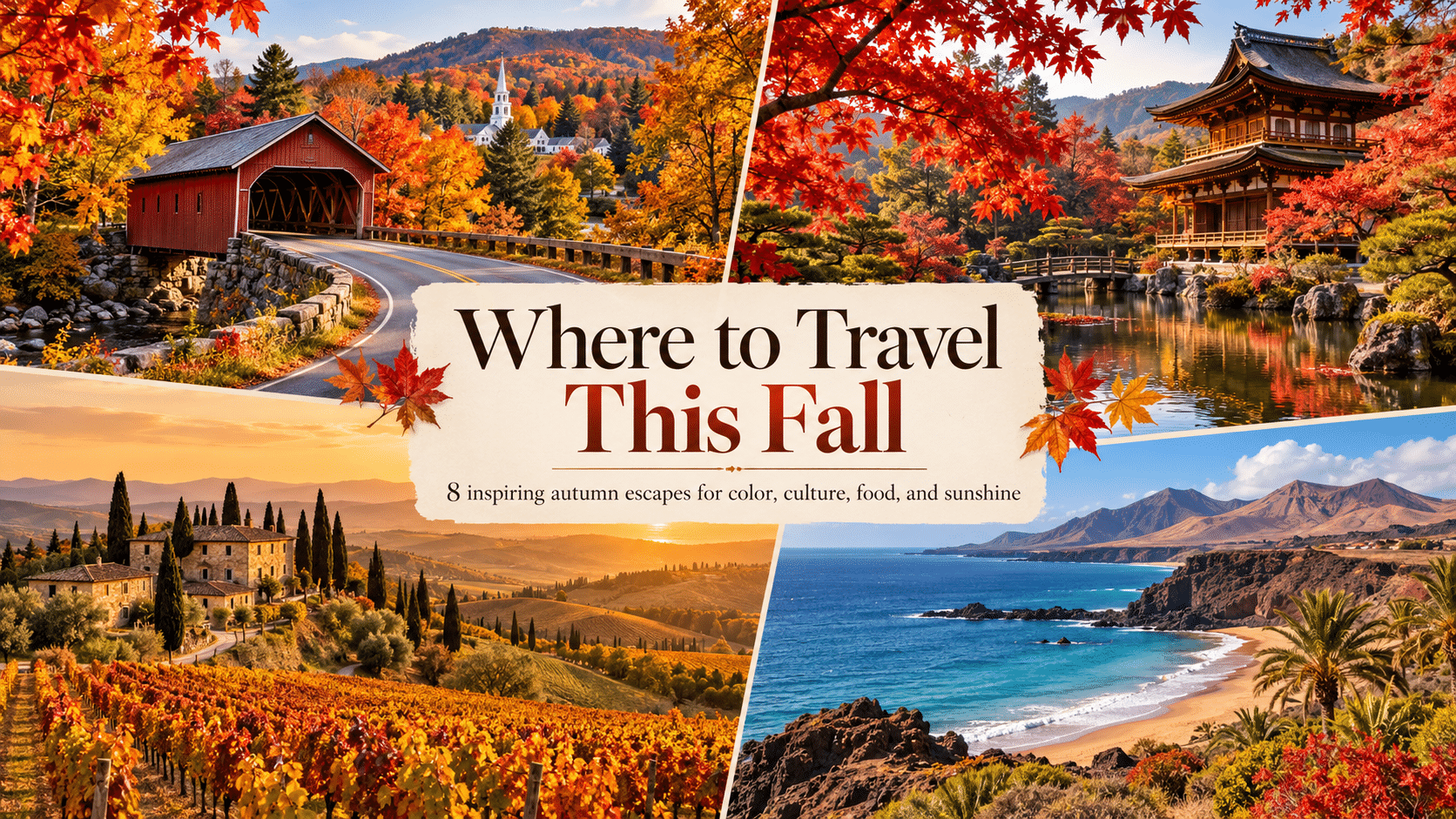



Fall Foliage Alternatives To The Blue Ridge Parkway
The Blue Ridge Parkway draws over 15 million visitors each year during peak fall season. The crowds can overwhelm the experience. Long traffic jams and packed overlooks often prevent you from enjoying the autumn colors you came to see.
This guide shares eight scenic alternatives across the eastern United States. Each location offers brilliant fall foliage without the massive crowds. You’ll find detailed information about peak color timing, driving routes, and practical tips for planning your trip.
Why Look Beyond The Blue Ridge Parkway?
The Blue Ridge Parkway stretches 469 miles through Virginia and North Carolina. During October, the scenic road becomes congested. Parking lots fill by mid-morning. Popular overlooks like Craggy Gardens and Waterrock Knob see thousands of visitors daily.
Traffic often slows to under 20 miles per hour. A typical drive from Asheville to Boone takes six hours instead of three. The experience shifts from peaceful nature viewing to sitting in car lines.
Alternative destinations provide the same stunning colors. Many offer better amenities, easier access, and more space to explore. You can find quieter trails, better photography opportunities, and authentic small-town experiences.
Best Times For Fall Foliage In The Eastern United States
Fall colors progress from north to south. Understanding this pattern helps you time your visit perfectly.
Northern States (Maine to New York): Peak colors arrive between late September and mid-October. Higher elevations change first, typically 1-2 weeks before valleys.
Mid-Atlantic States (Pennsylvania to West Virginia): Colors peak from early October through late October. Mountainous regions show change before piedmont areas.
Southern States (Tennessee to Georgia): Peak season runs from mid-October through early November. High elevation areas like the Smokies peak first, followed by lower elevations.
Weather affects timing each year. Early frosts speed up color change. Warm, dry autumns delay peak colors. Check regional fall foliage reports starting in mid-September.
1. Kancamagus Highway, New Hampshire
The Kancamagus Highway runs 34.5 miles through the White Mountain National Forest. Locals call it “The Kanc.” This National Scenic Byway offers continuous mountain views without commercial development.
Why Visit
No stoplights interrupt your drive. No gas stations or restaurants line the road. The highway maintains its wilderness character while providing excellent pavement and safe pullouts.
The route climbs to 2,855 feet at Kancamagus Pass. Multiple hiking trails start directly from roadside parking areas. Popular trails include Sabbaday Falls (0.6 miles), Rocky Gorge (0.9 miles), and Boulder Loop (3.1 miles).
Peak Color Timing
Colors typically peak from September 25 to October 10. Higher elevations near the pass change first. Lower areas along the Swift River follow 5-7 days later.
Planning Your Visit
Drive west from Conway to Lincoln for the best light. Morning sun illuminates the eastern-facing slopes beautifully. Start early—parking fills quickly at popular trailheads by 9 AM.
The highway stays open year-round. Cell service is limited along most of the route. Fill your gas tank before starting. The nearest services are in Conway or Lincoln.
Where to Stay: Lincoln offers multiple hotels and resorts. Conway provides more budget options. Book accommodations 2-3 months ahead for peak weekends.
2. Route 100, Vermont
Vermont Route 100 runs 216 miles from Massachusetts to Canada. This north-south corridor passes through classic New England villages, working farms, and dense hardwood forests.
Why Visit
The route connects multiple iconic Vermont destinations. You’ll pass through Warren, Waitsfield, Stowe, and Waterbury. Each town offers authentic Vermont culture without tourist gimmicks.
Covered bridges dot the landscape. Farm stands sell fresh apples, cider, and maple products. Local breweries and creameries welcome visitors.
Peak Color Timing
Northern sections peak from September 25 to October 8. Central Vermont (Killington to Stowe) peaks October 1-12. Southern sections show best colors October 5-15.
Must-See Stops
Mad River Valley: The stretch between Warren and Waitsfield offers exceptional views. Stop at Warren Store for local products. Drive up to Lincoln Gap for panoramic vistas.
Moss Glen Falls: Located near Stowe, this 125-foot waterfall provides dramatic fall color backdrops. The short 0.3-mile trail is easy for all ages.
Granville Gulf: This narrow valley creates a microclimate. Mossy cliffs and waterfalls make this section particularly photogenic.
Planning Your Visit
Route 100 intersects with several major east-west highways. You can easily create loop drives. Combine Route 100 with Route 17, Route 125, or Route 4 for variety.
Budget 6-8 hours for the full route without stops. Most visitors explore a 50-60 mile section in one day.
Where to Stay: Stowe offers luxury resorts and spas. Killington provides mountain lodging. Small towns like Warren and Waterbury have charming bed and breakfasts.
3. Great Smoky Mountains National Park
This park straddles the North Carolina-Tennessee border. It covers 522,427 acres of protected forest. The Smokies receive over 14 million annual visitors but the park’s size distributes crowds better than the Parkway.
Why Visit
The park is free to enter. No entrance fees apply at any time. Over 800 miles of trails range from easy walks to challenging backpacking routes.
The Smokies contain incredible biodiversity. More than 100 tree species grow here. This variety creates complex color patterns. You’ll see deep reds, bright oranges, golden yellows, and purple sourwoods all mixed together.
Peak Color Timing
Higher elevations (above 5,000 feet) peak from mid-October to late October. Mid-elevations (3,000-5,000 feet) peak from late October to early November. Lower elevations show best colors in early November.
Best Driving Routes
Newfound Gap Road (U.S. 441): This 31-mile road crosses the park from Gatlinburg to Cherokee. It climbs to 5,046 feet at Newfound Gap. Multiple overlooks provide parking and views.
Cades Cove Loop: This 11-mile one-way loop circles a historic valley. Open fields contrast with forested ridges. Wildlife viewing opportunities are excellent here. Visit on Wednesday or Saturday mornings when the loop is closed to vehicles until 10 AM. Bicycles only during these hours.
Roaring Fork Motor Nature Trail: This 5.5-mile one-way loop near Gatlinburg follows a mountain stream. Historic buildings dot the route. The narrow, winding road limits RVs and trailers.
Hidden Spots
Cataloochee Valley: Located in the northeastern corner, this remote valley requires a 45-minute drive on winding roads. Elk herds roam the fields. Historic churches and homesteads create photo opportunities.
Greenbrier: This quieter entrance near Gatlinburg leads to excellent hiking trails. Ramsey Cascades Trail (8 miles round trip) reaches the park’s tallest waterfall.
Planning Your Visit
Arrive at popular areas before 8 AM or after 4 PM. Mid-day crowds are heaviest. Parking lots at Cades Cove, Clingmans Dome, and Laurel Falls fill completely on fall weekends.
The park has no lodges or restaurants. Gatlinburg, Pigeon Forge, Townsend, and Cherokee provide all services. Gatlinburg and Pigeon Forge are heavily commercial. Townsend offers a quieter base.
Where to Stay: LeConte Lodge is the park’s only interior lodging. This rustic hike-in lodge requires reservations nearly a year ahead. Ten developed campgrounds operate on first-come, first-served basis or reservations.
4. Talimena National Scenic Byway, Oklahoma and Arkansas
This 54-mile highway runs along the crest of the Ouachita Mountains. The route connects Talihina, Oklahoma, with Mena, Arkansas. The Ouachitas run east-west, unlike most North American mountain ranges.
Why Visit
This destination surprises many travelers. Oklahoma and Arkansas don’t typically appear on fall foliage lists. The Ouachita Mountains contain extensive oak and hickory forests. These species create rich gold and burgundy colors.
The byway includes 22 designated overlooks. Each provides parking and interpretive signs. The elevation stays consistently high, offering continuous views rather than climbing and descending.
Peak Color Timing
Colors peak from late October to mid-November. This later season makes the Talimena ideal when northern destinations have finished.
Unique Features
The forest composition differs from eastern hardwood forests. Shortleaf pine mixes with deciduous trees. This creates an interesting color palette with dark green punctuating the autumn shades.
Queen Wilhelmina State Park sits at the byway’s Arkansas end. The park offers lodging, camping, and a historic lodge built in 1896 (reconstructed in 1975). The park’s elevation at 2,681 feet provides cool temperatures even when lowlands are warm.
Planning Your Visit
The byway is remote. Talihina and Mena are small towns. Services are limited compared to major tourist areas. Plan to pack snacks and keep your gas tank full.
Cell service is spotty along the ridge. Download offline maps before starting. The two-lane road has few passing areas.
Budget 3-4 hours for the drive with stops. Several hiking trails intersect the byway. The Talimena Trail is a multi-day backpacking route following the ridgeline.
Where to Stay: Queen Wilhelmina State Park Lodge is the most convenient option. Mena has several motels. Talihina offers basic accommodations.
5. Columbia River Gorge, Oregon and Washington
The Columbia River carves an 80-mile canyon through the Cascade Range. Waterfalls, basalt cliffs, and mixed forests create dramatic autumn scenery. This western destination offers a different experience from Appalachian mountains.
Why Visit
Over 90 waterfalls tumble into the gorge. Many are visible from the road. Short trails lead to spectacular viewpoints. The combination of water, rock, and fall color is unique.
The gorge creates a climate transition zone. Wet western forests meet dry eastern landscapes. This diversity produces varied ecosystems within a small area.
Peak Color Timing
Colors peak from mid-October to early November. Western sections peak first. Eastern areas follow 7-10 days later.
Best Routes and Stops
Historic Columbia River Highway (Oregon Side): This engineering marvel built in 1913-1922 clings to cliffside. The section from Troutdale to Cascade Locks includes multiple waterfalls.
Multnomah Falls: Oregon’s tallest waterfall drops 620 feet in two tiers. The viewing platform is accessible year-round. A paved trail leads to a bridge between the falls’ tiers. Arrive before 8 AM to avoid crowds.
Eagle Creek Trail: This 13-mile trail passes numerous waterfalls. Tunnel Falls at 6.5 miles is the highlight. Note: Check trail status before visiting. A 2017 wildfire closed sections. Restoration is ongoing.
Rowena Crest: This viewpoint on the eastern end overlooks a dramatic river bend. Wildflowers bloom in spring, but fall colors in nearby oak trees attract photographers.
Planning Your Visit
Portland sits 30 miles west of the gorge. Day trips are easy from the city. Interstate 84 provides fast access. Historic Highway scenic sections branch off for slower, more scenic driving.
Wind is constant in the gorge. The Columbia River funnels strong breezes. Bring layers. Temperatures can be 10-15 degrees cooler than Portland.
Washington’s State Route 14 runs along the north bank. This quieter road offers different perspectives. Several bridges cross between states.
Where to Stay: Hood River is the gorge’s recreation hub. Multiple hotels, restaurants, and breweries serve visitors. Cascade Locks and Stevenson offer smaller-town alternatives. Portland provides extensive lodging options.
6. Letchworth State Park, New York
Letchworth State Park spreads across 14,350 acres in western New York’s Genesee Valley. The Genesee River carves a 17-mile canyon through this park. People call it “The Grand Canyon of the East.”
Why Visit
Three major waterfalls cascade through the gorge. Upper Falls drops 70 feet. Middle Falls plunges 107 feet. Lower Falls descends 70 feet. The combination of vertical cliffs, rushing water, and autumn foliage creates exceptional photo opportunities.
The park offers 66 miles of hiking trails. The Gorge Trail follows the canyon rim for 7 miles. Multiple overlooks provide different perspectives on the falls and canyon.
Peak Color Timing
Colors typically peak from October 10-25. The park’s latitude and inland location create reliable fall color most years.
Park Highlights
Inspiration Point: This stone overlook above Middle Falls is the park’s most photographed location. The 107-foot waterfall and surrounding canyon walls appear framed by autumn trees.
Great Bend Overlook: This viewpoint looks down the canyon’s dramatic curve. The 550-foot-deep gorge displays its full depth here.
Glen Iris Inn: This historic inn sits near Middle Falls. The building was railroad magnate William Pryor Letchworth’s estate. The restaurant serves lunch and dinner. Reservations are recommended for peak season meals.
Activities Beyond Driving
The park offers hot air balloon rides. Floating above the gorge provides unique perspectives. Multiple companies operate from the park.
Whitewater rafting trips run through the lower gorge. Several outfitters guide trips from spring through fall.
Planning Your Visit
The park charges a vehicle entrance fee. The fee is $10 per vehicle from April through October. Empire Pass holders (New York state parks annual pass) enter free.
Three campgrounds offer 270 sites. The Glen Iris Inn provides 19 rooms. Several cabins are available for rent. All accommodations book months ahead for peak foliage weekends.
Where to Stay: Mount Morris and Geneseo are the nearest towns with hotels. Rochester sits 35 miles north and offers extensive lodging options.
7. Cherohala Skyway, Tennessee and North Carolina
This 43-mile National Scenic Byway connects Tellico Plains, Tennessee, with Robbinsville, North Carolina. The name combines “Cherokee” and “Nantahala” National Forests, which the highway traverses.
Why Visit
The Cherohala opened in 1996. It’s newer and far less crowded than nearby Blue Ridge Parkway or Smoky Mountains park roads. The highway climbs to 5,390 feet at Santeetlah Gap.
Expansive views sweep across multiple mountain ranges. On clear days, visibility extends 100 miles. The Cherokee National Forest and Nantahala National Forest offer pristine wilderness views without development.
Peak Color Timing
Higher elevations peak from mid-October to late October. Lower elevations show best color late October to early November. The route’s elevation changes create extended viewing windows.
Highway Features
Fifteen marked overlooks provide safe parking. Each offers different views and interpretive information. The highway includes two scenic tunnels that frame mountain vistas.
The road surface is excellent. Modern engineering created gentle curves despite steep terrain. The speed limit is 45 mph. Most drivers go slower to enjoy views.
Nearby Attractions
Tellico Plains: This small town serves as the Tennessee gateway. Visit the Cherohala Skyway Visitor Center for maps and current conditions. Several outfitters offer guided trips.
Robbinsville: The North Carolina gateway is even smaller. The town maintains authentic mountain culture. Visit the Junaluska Memorial and Museum to learn Cherokee history.
Joyce Kilmer Memorial Forest: A 20-mile detour from Robbinsville leads to this old-growth forest. Trees here exceed 400 years old. The 2-mile loop trail passes giant tulip poplars and hemlocks.
Planning Your Visit
The highway has no services. No gas, food, or restrooms exist along the route. Fill up and pack supplies in Tellico Plains or Robbinsville.
Cell service is unreliable. Download maps before starting. Weather can change quickly at high elevations. Check forecasts and be prepared for cool temperatures.
Budget 2-3 hours for the drive with stops. Add more time for hiking. Several trails including the Benton MacKaye Trail intersect the skyway.
Where to Stay: Tellico Plains has basic motels and vacation rentals. Robbinsville offers a few hotels. Both towns have limited dining options. Make reservations ahead for peak season.
8. Finger Lakes Region, New York
Eleven long, narrow lakes stretch across central New York. Glaciers carved these lakes during the last ice age. Rolling hills covered in vineyards, forests, and farmland surround the water.
Why Visit
The combination of water views and hillside forests creates varied landscapes. Vineyards add agricultural beauty. The region’s 100+ wineries welcome visitors for tastings.
Waterfalls are abundant. Watkins Glen State Park alone features 19 waterfalls in two miles. Taughannock Falls drops 215 feet, taller than Niagara Falls.
Peak Color Timing
Colors peak from early October to mid-October. Higher elevations around Seneca and Cayuga Lakes change first. Lower areas near Skaneateles and Canandaigua follow within a week.
Must-See Locations
Watkins Glen State Park: The gorge trail climbs through 19 waterfalls. Stone pathways and stairs were built in the 1930s. The 1.5-mile trail includes 832 stone steps. The trail is moderately challenging but spectacular.
Taughannock Falls State Park: A 0.75-mile flat trail leads to the falls overlook. The 215-foot single-drop waterfall is one of the tallest east of the Rocky Mountains. Rim trails provide aerial views.
Seneca Lake Wine Trail: Over 30 wineries line Seneca Lake’s shores. Many offer stunning lake and hillside views from their tasting rooms. Fall harvest season brings additional activities.
Cayuga Lake Scenic Byway: State Route 89 follows Cayuga Lake’s western shore. Multiple parks, wineries, and farm markets provide stopping points. The road climbs hills offering elevated lake views.
Planning Your Visit
The region centers on four main lakes: Canandaigua, Keuka, Seneca, and Cayuga. Most visitors focus on one or two lakes per trip. The lakes run roughly north-south, making loop drives practical.
State parks charge vehicle entrance fees ($8-10 per vehicle). Purchase a New York State Parks Empire Pass if visiting multiple parks.
The area is less crowded than major national parks. Weekdays during October offer excellent experiences without significant crowds.
Where to Stay: Ithaca, Watkins Glen, Geneva, and Canandaigua are the main towns. Each offers hotels, bed and breakfasts, and vacation rentals. Numerous wineries have inns or guest houses.
Planning Your Fall Foliage Trip
Checking Current Conditions
Fall color timing varies by 1-2 weeks each year. Several resources provide current reports:
State Tourism Websites: Most states publish weekly fall color reports. These typically start in mid-September and run through November.
SmokyMountains.com Fall Foliage Prediction Map: This interactive map covers the entire United States. It predicts peak color dates for specific regions.
Local Visitor Centers: Call ahead to parks or regions for ground-truth conditions. Staff provide accurate, current information.
Photography Tips
The best light occurs during golden hour. Shoot one hour after sunrise or one hour before sunset. Overcast days eliminate harsh shadows and provide even light.
Use a polarizing filter. This reduces reflections on leaves and deepens sky colors. Circular polarizers work with digital cameras.
Include scale elements. A person, building, or fence helps viewers understand landscape size. Pure color photos can feel flat without scale reference.
Look for details. Close-ups of individual leaves, mushrooms, or forest floor scenes create variety. Mix wide landscapes with intimate details.
What to Pack
Layers are essential. Morning temperatures can be 30-40 degrees cooler than afternoons. Bring a warm jacket, fleece, and rain gear.
Comfortable walking shoes. Even if you plan to drive, short walks to overlooks or restrooms happen frequently. Trails can be rocky or uneven.
Snacks and water. Remote areas may have limited food options. Staying hydrated and maintaining energy improves your experience.
Backup phone charger. Camera use and GPS drain batteries quickly. Car chargers or portable battery packs are useful.
Accommodation Strategies
Book 2-3 months ahead for peak weekends. Popular destinations sell out completely. Weekdays offer more availability and lower prices.
Consider staying slightly farther from main attractions. Towns 20-30 minutes away often have better availability and value.
Check cancellation policies. Weather and color timing are unpredictable. Flexible cancellation lets you adjust plans.
Weather Considerations
Rain actually enhances color intensity. Wet leaves reflect more vibrant colors. Light rain shouldn’t cancel your plans.
Wind strips leaves quickly. If forecasts show strong winds, visit a few days earlier. A single windstorm can remove 30-40% of peak color.
Frost warnings indicate peak color is near. The first hard frost triggers rapid color change in most trees.
Making the Most of Your Visit
Avoiding Crowds
Start early. Trails and overlooks are nearly empty before 8 AM. You’ll have premier spots to yourself.
Visit midweek. Saturday and Sunday bring 3-4 times more visitors than Tuesday through Thursday.
Target shoulder season. The week before or after peak color has good color with fewer people. Don’t wait too long after peak—leaves fall quickly.
Supporting Local Communities
Small towns along these routes depend on tourism. Choose local restaurants over chains. Visit farm stands and artisan shops.
Ask residents for recommendations. They know hidden viewpoints and authentic experiences.
Respect private property. Not every colorful scene is accessible. Stay on public roads and marked trails.
Safety Tips
Download offline maps. Cell coverage is poor in mountain areas. GPS apps let you download regional maps for offline use.
Watch for wildlife. Deer are most active at dawn and dusk. Slow down in wooded areas.
Drive carefully. Leaf-covered roads can be slippery. Other drivers may stop unpredictably for photos.
Why These Alternatives Work
Each destination in this guide offers something the Blue Ridge Parkway cannot: space. The Parkway’s popularity creates its biggest limitation. These alternatives provide room to breathe.
You’ll spend more time enjoying views and less time sitting in traffic. Trails and overlooks remain accessible even on peak weekends. Local restaurants can accommodate walk-ins.
The autumn color quality matches or exceeds the Parkway. Different tree species create unique color palettes in each region. The Smokies’ diversity, Vermont’s sugar maples, and the Finger Lakes’ hillside vineyards each offer distinctive beauty.
These destinations reward exploration. Unlike the Parkway’s drive-through experience, these areas invite multi-day visits. Hiking, waterfalls, local culture, and varied landscapes create complete vacation experiences.
Start Planning Your Fall Color Adventure
Fall foliage season is brief. Peak color typically lasts just 1-2 weeks in any location. The window demands planning but rewards flexibility.
Choose a destination based on your travel dates and preferences. Northern locations peak earlier. Southern destinations extend the season into November.
Monitor fall color reports starting three weeks before your planned trip. Be ready to adjust dates by a few days for optimal timing.
Book accommodations now for the coming fall season. The most popular weekends fill 6-12 months ahead.
Each of these eight alternatives to the Blue Ridge Parkway deserves your attention. They offer authentic autumn experiences without the overwhelming crowds. The memories you create will last far longer than any traffic jam.
Frequently Asked Questions
What causes fall colors to change?
Chlorophyll breakdown reveals other pigments in leaves. Trees stop producing chlorophyll in autumn as daylight decreases. Yellow and orange carotenoids were always present but hidden by green chlorophyll. Red and purple anthocyanins are produced in fall as sugars concentrate in leaves. Each tree species has different pigment combinations, creating varied autumn colors.
How long does peak fall color last?
Peak color typically lasts 1-2 weeks in any specific location. Weather affects duration. Warm, sunny days and cool nights prolong peak color. Heavy rain or strong winds shorten the display. Different tree species peak at different times, extending the overall season by 3-4 weeks in diverse forests.
Can I see fall colors in the Southeast after November?
Yes, but options are limited. Lower elevations in Georgia, Alabama, and South Carolina show color through mid-November. Some oak species hold leaves into December. However, the most vibrant displays finish by early November. The Talimena Skyway in Oklahoma and Arkansas extends the season the latest among eastern destinations.
Are fall colors predictable each year?
Timing varies by 1-2 weeks depending on weather. Drought stress can cause early color change and leaf drop. Early frost triggers rapid color development. Warm autumns delay peak color. Geographic location provides rough timing, but checking current reports is essential. Higher elevations always change before lower areas in the same region.
What’s the best time of day for viewing fall colors?
Early morning and late afternoon provide the best light. Side-lighting from low sun angles makes colors glow. Midday overhead sun creates flat lighting and harsh shadows. Overcast days offer even light that’s excellent for photography. Rain intensifies leaf colors by removing dust and causing leaves to reflect light better.
How do I know when to visit if I’m booking months ahead?
Use historical peak dates as starting points. State tourism websites publish past year records. Plan for a 3-5 day trip rather than a single day. This builds flexibility if peak comes slightly early or late. Book refundable accommodations if possible. Mid-week visits in mid-October work well for most destinations in this guide.
Which destination has the most reliable fall color?
Northern locations (Vermont, New Hampshire, New York) have the most consistent displays. Colder climates and shorter growing seasons trigger reliable color change. Southern mountains can vary more depending on rainfall and temperatures. The Finger Lakes and Letchworth State Park in New York offer particularly reliable displays due to their latitude and diverse tree species.
Do these alternatives work for families with young children?
Yes. All destinations in this guide offer easy, short trails suitable for children. Waterfalls attract kids’ attention. Many locations have visitor centers with educational programs. The Finger Lakes region offers farm activities and gentle trails. Letchworth State Park has playgrounds and picnic areas. The Smokies provide wildlife viewing opportunities that engage children.
What if weather is bad during my planned trip?
Light rain enhances colors and reduces crowds. Bring waterproof jackets and embrace the conditions. Heavy rain or storms call for indoor alternatives. Most regions in this guide have nearby museums, historic sites, or towns to explore. The Finger Lakes wineries provide indoor activities. Great Smoky Mountains has multiple visitor centers with exhibits.
How much does it cost to visit these destinations?
Most destinations charge minimal or no fees. The Smokies are completely free. State parks typically charge $8-10 vehicle entrance fees. The Blue Ridge Parkway is free but crowds waste time and fuel. Budget for lodging, food, and fuel. Rural areas often have lower prices than resort towns near the Parkway. A 3-day trip to most destinations costs $300-500 per couple for lodging and meals, excluding fuel.
Recommended Schema Markup
For this blog post, implement the following schema types to improve SEO and answer engine optimization:
1. Article Schema: Mark up the entire post as an Article with proper headline, author, datePublished, and dateModified fields.
2. FAQPage Schema: Include FAQPage schema for the FAQ section. Each question-answer pair should be properly marked.
3. TouristAttraction Schema: Mark up each of the eight destinations with name, description, and geographic coordinates.
4. TravelAction Schema: Consider adding TravelAction schema for trip planning sections.
5. ImageObject Schema: Include proper image schema for any photos used, with location data and descriptions.
6. BreadcrumbList Schema: Add breadcrumb navigation schema to help search engines understand content hierarchy.
These schema types help AI search engines extract structured information, improving visibility in AI-powered search results and answer engines.